Showing posts with label palm. Show all posts

Friday, October 13, 2006

Cool Marketing Campaign and the Palm News


I noticed a clever marketing campaign in this evenings thelondonpaper whilst on the train home. The print advertising campaign and marketing website features life coach Pete Cohen.

Many of the people who will move to a CapitalOne card will be in a bit of a bind and looking to consolidate debt at a lower interest rate. The marketing campaign tries to catch prospective consumers in more positive frame of mind by targeting those people who are looking to transform their lives. Its a smart move and helps to remove some of the parasitic nature that has tainted consumer perceptions of the CapitalOne brand.

The credit card industry has usually been based on blitzkrieg direct mail campaigns and cut-throat promotional rates that create customer churn.

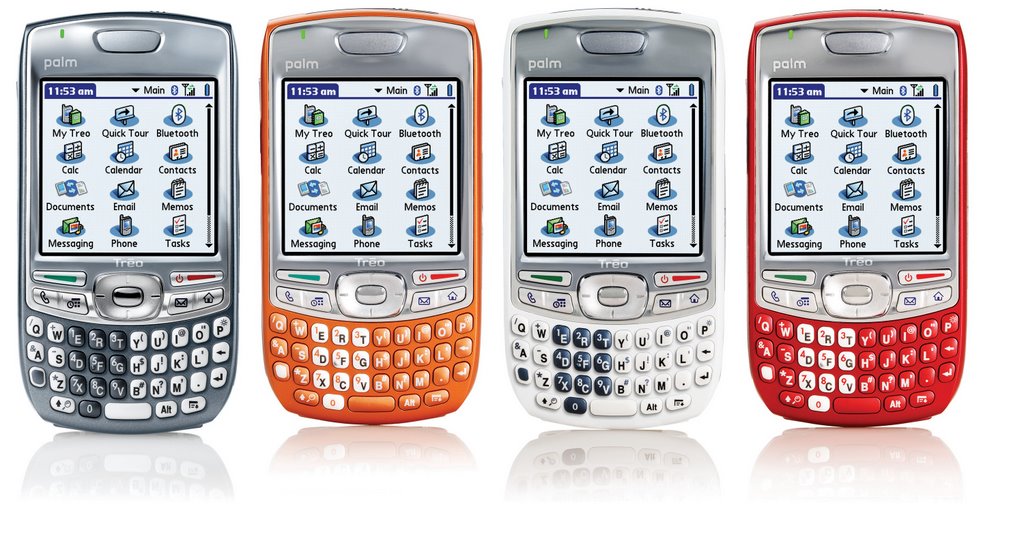
Palm have belatedly entered the middle market with a cheaper smartphone. According to CoolHunting the phone corrects many of the deficiencies of the Treo 650. Engadget has a blow-by-blow account of the press conference and there was some interesting omissions:
  • No price announced for the device
  • No wi-fi
  • No Skype (but then carriers will block VoIP running over GPRS, EDGE or 3G so no point)
  • No news on Mac synchronisation

Some tie-ins with Yahoo! Music, Google and eBay, but no tie-in with Flickr or PhotoBucket so it probably features the usual Palm crapmera.

The lack of an aerial and curves improve the tactile nature of the phone, but the materials and finish still look cheap. Palm could take some lessons in product design from Nokia or Apple to get the look and feel of materials improved.

Its a step in the right direction, but there are better PalmOS devices out there. Details from Palm of the Treo 680 here, image courtesy of Palm.

Sunday, September 24, 2006

Palm for sale


The blogosphere have a reiteration of speculation that has been happening for years that someone (insert favorite supplier here) is going to buy Palm. This time the rumor is about Motorola following on from its Symbol acquisition to purchase Palm. Whilst this could be highly desirable for Palm's shareholders, one does have to look at the motivations of the potential buyers (usually Motorola or Apple are cited):
  • Product design: both Motorola and Apple have enough smarts in this area, as has Nokia, RIM and Sony Ericsson. In addition, players like HTC mean that companies can now buy in ‘iconic’ design a la T-Mobile. In addition Palm is said to be relying heavily on a Chinese design company for its new cheap Treo, not exactly what you'd expect from a company with a strong product design team
  • The brand: the Palm brand lives on though it was built on machines made six plus years ago based on a software platform and user experience that Palm has since read the last rights to as it continues its Windows migration. The Treo brand is a valuable competitor brand to RIM, and may be attractive to aggresive entrants into the US marketplace like Nokia, Samsung, LG or one of the many hungry Chinese(both Taiwan and communist China) players Ningbo Bird, BenQ, Lenovo or Acer
  • Software: Palm has burnt the biggest asset the UI with its sale to Access, however the company does have useful experience for a Chinese buyer in localisation for carriers and a shiny new Dublin centre for European market entry. For Motorola a purchase of Access the current owner of PalmSource would be more likely as this would fit in with the company's ambitions to grow market share in Asia and be a progressive move for its existing Linux phone offering in China
  • Distribution and carrier relationships: Handspring invested a lot of time building carrier relationships in the face of strong competition from traditional handset manufacturers. These relationships would be invaluable for a new entrant player. In addition, Palm used to have a wide (though sometimes ineffective) retail reach for its devices. Six years ago, Palm products were the number one selling item in Dixons (DSG) stores airside at British airports and on Virgin Atlantic flights

If you want to know who is most likely to buy Palm, look East.


UPDATE (26/9/2006)

I have just read the transcript from Palm's latest financial analyst briefing and it didn't fill me with confidence. From what I could see, Access are disengaging from the OS business, Palm moving rapidly to becoming a Windows only shop with little differentiation. The company is milking loyal Palm customers as a cash-cow but not offering them much in return. This is like Apple circa 1997, but without the happy ending.

Friday, April 28, 2006

Bring out your dead


When I worked on the Palm account the most valuable asset the company had was a vibrant developer community from large organisations like Sybase and Oracle to one-man bands selling their shareware over services like Tucows.

Now according to News.com Is the PalmOS missing the Multimedia Boat? by Tom Krazit that developer love don't live here any more.

What's more given that Access are building a PalmOS as what is basically an embedded Linux platform there is a curious lack of development tools for the next iteration of the PalmOS? What on earth is going on?


What's the benefit of using an open source codebase then over offerings from the likes of WindRiver or QNX?

Sunday, February 05, 2006

Selling Palm by the pound


The Good Morning Silicon Valley newsletter carried a story about Palm’s largest shareholders asking the company to sell out to another player while its fortunes are still on the rise. This raises concerns about Palm’s roadmap and vision if even their largest shareholders don’t believe them.

Why sell out?

Palm has a number of challenges to overcome:
  • Maintaining relationships with distribution channels which are different and distinct for both the Treo and PDA ranges
  • Innovation and localisation: in order to keep its head above water in the PDA market Palm needs to innovate, Pocket PC manufacturers can leverage reference designs and even sell devices at a loss to support service businesses in the enterprise. In the cell phone market, Palm needs to localise the device to meet each carriers needs.
  • Make like Dell: Palm not only needs to get better at innovation and localisation, it needs to innovate operationally; something that had a positive transformative effect on Apple. Dell is a by-word for a slick logistics chain that keeps cost down and allows for user customisation at the order stage
  • One-trick pony: when HP goes into business it is looking to sell everything from a HP9000 Superdome high-end computer to an iPaq and the services to support it. When Nokia speaks to carriers it can sell them everything from all the kit to run a network to budget phones for PAYG (Pay-As-You-Go) customers
  • Convergence: cell phones now have PDA functionality and so do iPods, Palm has unsuccessfully tried to make a convergence play with the LifeDrive and seems to have a crisis of ideas
  • Get big or get out: As can be seen from the MP3 player market, where there is a hot, competitive sector size wins because it can bring economies of scale to bear. Palm could not have taken the gamble that Apple did in terms its forward contracts for flash memory to role out a flash-based LifeDrive even if it had the vision to do so.
Who should buy?

A lot of the heat in this discussion centres on Research In Motion, Nokia and Apple.

Research in Motion has never had the best product design and user experience, Palm could help them.

Palm’s pen computing experience could be invaluable to Nokia.

Apple is the collectively the player considered by technology pundits the people who can make a market work and has the expertise and chutzpah to make change the game devices work. Palm could bring carrier relationships and expertise.


Why buy?


Palm has a strong brand its name has been a by-word for PDAs for a long time. The Treo has made a name for itself amongst early adopters and has proven itself to be more adaptable than the Blackberry. Its product design has made it a success that has saved Palm up to now. However, much of the crown jewels within Palm (its distinctive look and feel) marched off with PalmSource acquisition by Access and even then there was a lot of work to be done to assure the future of the PalmOS as a modern platform.
  • If Apple wanted to build a Palm-like device it already has much of the expertise needed, arguably the best product design team in the world and it could license or buy the PalmOS software from Access. However, this would necessitate a hell of a lot of work during the time that the company is migrating its hardware and software to the Intel platform and rolling out new entertainment services. This means that a Palm-like Apple device is probably not likely
  • Research in Motion could poach a few of the Palm design team and licence the PalmOS software, but it has bigger issues as competitors are using the NTP case as an excuse to eat the companies lunch. In addition, services and software are more lucrative so there is already some industry signs that RIM are looking to move away from being a hardware player
  • Nokia has some of the best mobile phone designers in the world, the user experience of its Symbian phones rivals Palm. It makes sense only as a way to eliminate competition, but it would be more profitable to tempt key staff away and watch Palm nose-dive into wherever dead companies go
Conclusion

OK, first of all there is the question of whether Palm needs to be sold: probably not, but a shot of energy, vision and cajones in the management team wouldn't go a miss and this shareholder action may be the boot in the backside that they need. Bottom line is that this question can get kicked back and forth for a long time to come, what's more its an emotive area so don't expect a consensus soon.

If a 'for sale' sign went up, Palm may get a buyer, but I would expect the purchaser to come from the Far East rather than the established tech players named. I would also expect them to buy if or when the company is on its knees. Ningbo Bird, Haier, Lenovo, BenQ or HTC for example already know how to make phones, if they want cute industrial design they can buy it in as necessary from IDEO, frog design or their ilk. If the company did tout around for a buyer, you could expect the business to drop as carriers and enterprise look for alternative 'safer' suppliers. If the business isn't on its knees when the for sale sign goes up, it may be by the time the deal is signed.


The crown jewels: the PalmOS software is already available to whoever wants to licence it at a discount to Windows Mobile, the value would be in the carrier relationships and the brand recognition of the Palm name.
UPDATE: Palm Addicts ran this piece in full, you can find it here.

Sunday, October 30, 2005

Crossing Swords

I've contributed an article about Palm's investment in Europe over at Palm Addicts. In the news this week Palm announced that it was opening a new development centre in Swords County Dublin (you can read about it here at the Palm Addicts blog), what does it mean for European Palm users?

What is surprising is that Palm has not made this move sooner, given the focus on the Treo range as the primary play for the future. With the exception of some notable exceptions like Italy the market for mobile phones is dominated by subsidised handsets provided by the carriers. Given that the carriers invest 100USD or more per user, they need to guarantee their return somehow by trying to improve the average revenue per user (ARPU). This means locking consumers in with tightly integrated services. Part of the reason why Nokia's crown slipped was because the company would not bend to the carriers will.

In the UK, five years ago the Nokia brand got bigger than the mobile phone company because of its legendary ease-of-use and iconic chocolate bar format. Club Nokia was the straw that broke the camels back threatening carriers ability to earn money from ringtones and wallpapers.

Vodafone suddenly dropped Nokia from its roster of handsets and took up with Japanese handsets by Sharp and Panasonic; the carriers learned their inherent power. The market has become more competitive for mobile phone devices. Most technology companies that we know are really marketing organisations. Their logistics are outsourced, their products are based on reference designs and sometimes the only cosmetic change is the badge on the front of the device. OEMs like HTC are no longer happy making for other manufacturers, but with Microsoft's assistance have started selling direct to the carriers. Mobile phone companies had the marketing savvy, they had a brand and they had distribution. T-Mobile and Orange pioneered this approach carrier-side.

Palm entered a market where it has had to dance with the carriers and the first few times it has got it wrong. The Orange implementation of the Treo 600 allegedly had some of its functionality curtailed to help sell 'push-to-talk' services. The implementation meant that Orange had lots of dissatisfied users and people like me went out and bought the carrier neutral version of the device instead, so Orange probably sold less services, not more like they would have expected.


Palm can't let this happen in the future. Europe has a level of mobile phone penetration is higher than the US, Europeans change their phones every 12 - 18 months rather than the 2 years or so for a Verizon customer in the US. Europe is rolling out UMTS / 3G services, but despite the hype there are no killer apps, partly because the handsets aren't great: so for Palm there is a real market opportunity. Even though Palm is a Microsoft licensee it will still be competing against established handset manufacturers like Motorola, HTC and Sagem. Microsoft's motives are further complicated because the company wants an end-to-end play. Telecoms back-end systems, transactions, service provision, media creation and playback, instant messaging, user experience, enterprise applications and information security all running on Microsoft platforms. Would they burn Palm to improve their overall interest? No question about it.

Look to the PC marketplace, Steve Jobs has said on numerous occasions there are two PC manufacturers making a profit - Dell and Apple. Other players stay in the marketplace for strategic reasons, but Microsoft makes money on each Windows box, whatever happens to the manufacturer.


Then there are aggressive Asian players like Siemens/BenQ, and is likely to be joined by Chinese newcomers like Haier or Ningbo Bird. Chinese manufacturers have a lot of work going into embedded Linux devices that are constantly improving. US manufacturer Danger, who make the Hip-Top devices had both Orange and T-Mobile as investors, the tight integration including storing user data like address books on the network and large screen suitable for multimedia makes it an interesting proposition.

Fellow Palm licensee Qool Labs have a fantastic Palm powered product that has not been distributed in the West. European handset manufacturers with entrenched relationships and brand equity like Sony Ericsson and Nokia are unlikely to lie down either. Indeed Nokia's 9X00 series and the E61 are exceptionally well-designed competitive devices. Palm needs to have an R&D / localisation facility close to the customer base filled with talented people.


Trying to do the carrier-specific development from Silicon Valley or Asia puts them on a different working day from the clientele, placing a strain on project management and close cooperative client working. It is not conducive to supplying the kind of carrier integration needed to supply large-scale orders that Palm needs in order to achieve critical mass in the market.

Palm's expansion of its Dublin logistics and operations site to include localisation is a statement of intent that they are now going to get serious about Europe, hopefully ensuring an even better user experience and favourable subsidies for Treo users.